A useful way to think about this is, validator incentives and block space is one of the central ideas behind network & blockchain fees. The number shown as a fee is not an abstract surcharge: it reflects a particular transaction path, a particular network or platform policy, and a particular moment. A user who separates those components can compare options more carefully instead of assuming that every displayed charge means the same thing. In the context of network & blockchain fees, the safest interpretation is to treat a quoted amount as conditional information that should be checked again immediately before a transfer is authorized. Consider a user preparing a transfer after reading about validator incentives and block space. The useful questions are concrete: which chain will carry the asset, which account pays the native network resource, whether the sending platform adds its own withdrawal charge, and whether the destination explicitly supports that same network. Those questions keep the analysis focused on mechanics rather than speculation about token prices. They also explain why two screens can show different costs even when the asset symbol looks identical. This distinction matters for network & blockchain fees because a fee comparison only becomes meaningful when the underlying conditions match. Comparing different networks, different token representations, or different service policies can create an apparent saving that disappears once compatibility or additional steps are considered. Record the network, amount, fee basis, and time of the quote if you are comparing alternatives; that small discipline makes the result easier to understand later.
In practical terms, transaction size and computational work is one of the central ideas behind network & blockchain fees. The number shown as a fee is not an abstract surcharge: it reflects a particular transaction path, a particular network or platform policy, and a particular moment. A user who separates those components can compare options more carefully instead of assuming that every displayed charge means the same thing. In the context of network & blockchain fees, the safest interpretation is to treat a quoted amount as conditional information that should be checked again immediately before a transfer is authorized. Consider a user preparing a transfer after reading about transaction size and computational work. The useful questions are concrete: which chain will carry the asset, which account pays the native network resource, whether the sending platform adds its own withdrawal charge, and whether the destination explicitly supports that same network. Those questions keep the analysis focused on mechanics rather than speculation about token prices. They also explain why two screens can show different costs even when the asset symbol looks identical. This distinction matters for network & blockchain fees because a fee comparison only becomes meaningful when the underlying conditions match. Comparing different networks, different token representations, or different service policies can create an apparent saving that disappears once compatibility or additional steps are considered. Record the network, amount, fee basis, and time of the quote if you are comparing alternatives; that small discipline makes the result easier to understand later.
For a transfer decision, network congestion is one of the central ideas behind network & blockchain fees. The number shown as a fee is not an abstract surcharge: it reflects a particular transaction path, a particular network or platform policy, and a particular moment. A user who separates those components can compare options more carefully instead of assuming that every displayed charge means the same thing. In the context of network & blockchain fees, the safest interpretation is to treat a quoted amount as conditional information that should be checked again immediately before a transfer is authorized. Consider a user preparing a transfer after reading about network congestion. The useful questions are concrete: which chain will carry the asset, which account pays the native network resource, whether the sending platform adds its own withdrawal charge, and whether the destination explicitly supports that same network. Those questions keep the analysis focused on mechanics rather than speculation about token prices. They also explain why two screens can show different costs even when the asset symbol looks identical. This distinction matters for network & blockchain fees because a fee comparison only becomes meaningful when the underlying conditions match. Comparing different networks, different token representations, or different service policies can create an apparent saving that disappears once compatibility or additional steps are considered. Record the network, amount, fee basis, and time of the quote if you are comparing alternatives; that small discipline makes the result easier to understand later.
From a cost-analysis perspective, wallet fee estimation is one of the central ideas behind network & blockchain fees. The number shown as a fee is not an abstract surcharge: it reflects a particular transaction path, a particular network or platform policy, and a particular moment. A user who separates those components can compare options more carefully instead of assuming that every displayed charge means the same thing. In the context of network & blockchain fees, the safest interpretation is to treat a quoted amount as conditional information that should be checked again immediately before a transfer is authorized. Consider a user preparing a transfer after reading about wallet fee estimation. The useful questions are concrete: which chain will carry the asset, which account pays the native network resource, whether the sending platform adds its own withdrawal charge, and whether the destination explicitly supports that same network. Those questions keep the analysis focused on mechanics rather than speculation about token prices. They also explain why two screens can show different costs even when the asset symbol looks identical. This distinction matters for network & blockchain fees because a fee comparison only becomes meaningful when the underlying conditions match. Comparing different networks, different token representations, or different service policies can create an apparent saving that disappears once compatibility or additional steps are considered. Record the network, amount, fee basis, and time of the quote if you are comparing alternatives; that small discipline makes the result easier to understand later.
For someone checking fees before sending, base-layer versus application fees is one of the central ideas behind network & blockchain fees. The number shown as a fee is not an abstract surcharge: it reflects a particular transaction path, a particular network or platform policy, and a particular moment. A user who separates those components can compare options more carefully instead of assuming that every displayed charge means the same thing. In the context of network & blockchain fees, the safest interpretation is to treat a quoted amount as conditional information that should be checked again immediately before a transfer is authorized. Consider a user preparing a transfer after reading about base-layer versus application fees. The useful questions are concrete: which chain will carry the asset, which account pays the native network resource, whether the sending platform adds its own withdrawal charge, and whether the destination explicitly supports that same network. Those questions keep the analysis focused on mechanics rather than speculation about token prices. They also explain why two screens can show different costs even when the asset symbol looks identical. This distinction matters for network & blockchain fees because a fee comparison only becomes meaningful when the underlying conditions match. Comparing different networks, different token representations, or different service policies can create an apparent saving that disappears once compatibility or additional steps are considered. Record the network, amount, fee basis, and time of the quote if you are comparing alternatives; that small discipline makes the result easier to understand later.
The important operational point is, why displayed estimates can move before confirmation is one of the central ideas behind network & blockchain fees. The number shown as a fee is not an abstract surcharge: it reflects a particular transaction path, a particular network or platform policy, and a particular moment. A user who separates those components can compare options more carefully instead of assuming that every displayed charge means the same thing. In the context of network & blockchain fees, the safest interpretation is to treat a quoted amount as conditional information that should be checked again immediately before a transfer is authorized. Consider a user preparing a transfer after reading about why displayed estimates can move before confirmation. The useful questions are concrete: which chain will carry the asset, which account pays the native network resource, whether the sending platform adds its own withdrawal charge, and whether the destination explicitly supports that same network. Those questions keep the analysis focused on mechanics rather than speculation about token prices. They also explain why two screens can show different costs even when the asset symbol looks identical. This distinction matters for network & blockchain fees because a fee comparison only becomes meaningful when the underlying conditions match. Comparing different networks, different token representations, or different service policies can create an apparent saving that disappears once compatibility or additional steps are considered. Record the network, amount, fee basis, and time of the quote if you are comparing alternatives; that small discipline makes the result easier to understand later.

What Are Crypto Network Fees and How Are They Calculated?
Read a focused explanation designed around this specific transfer-fee question.

Bitcoin Transaction Fees Explained: What Determines the Cost?
Read a focused explanation designed around this specific transfer-fee question.

Ethereum Gas Fees Explained: Base Fee, Priority Fee and Gas Limit
Read a focused explanation designed around this specific transfer-fee question.

Bitcoin vs Ethereum Transfer Fees: How the Fee Models Differ
Read a focused explanation designed around this specific transfer-fee question.

Solana Transaction Fees Explained: What Does a SOL Transfer Cost?
Read a focused explanation designed around this specific transfer-fee question.

TRON Network Fees Explained: Bandwidth, Energy and TRX Costs
Read a focused explanation designed around this specific transfer-fee question.
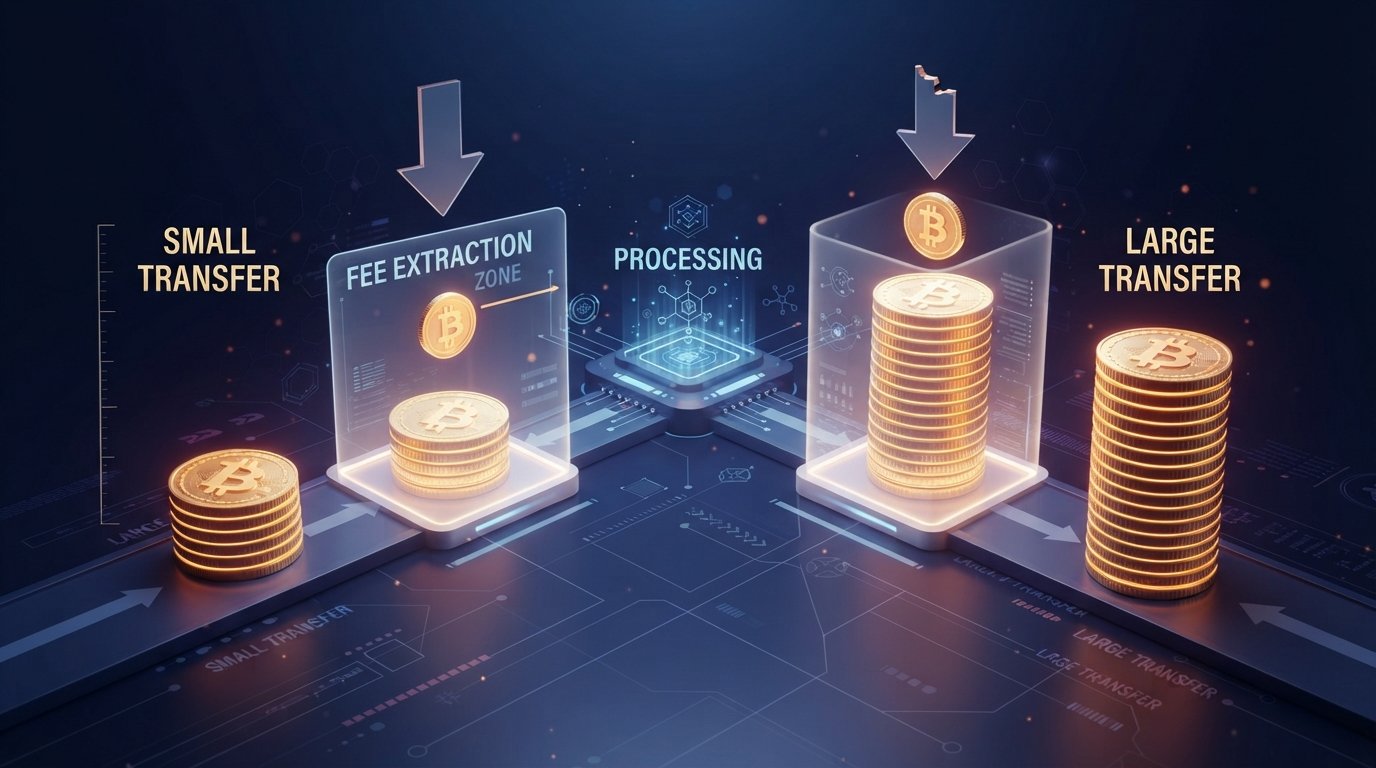
BNB Smart Chain Fees Explained: How BEP20 Transaction Costs Work
Read a focused explanation designed around this specific transfer-fee question.

Polygon Transaction Fees Explained: POL Gas and Transfer Costs
Read a focused explanation designed around this specific transfer-fee question.
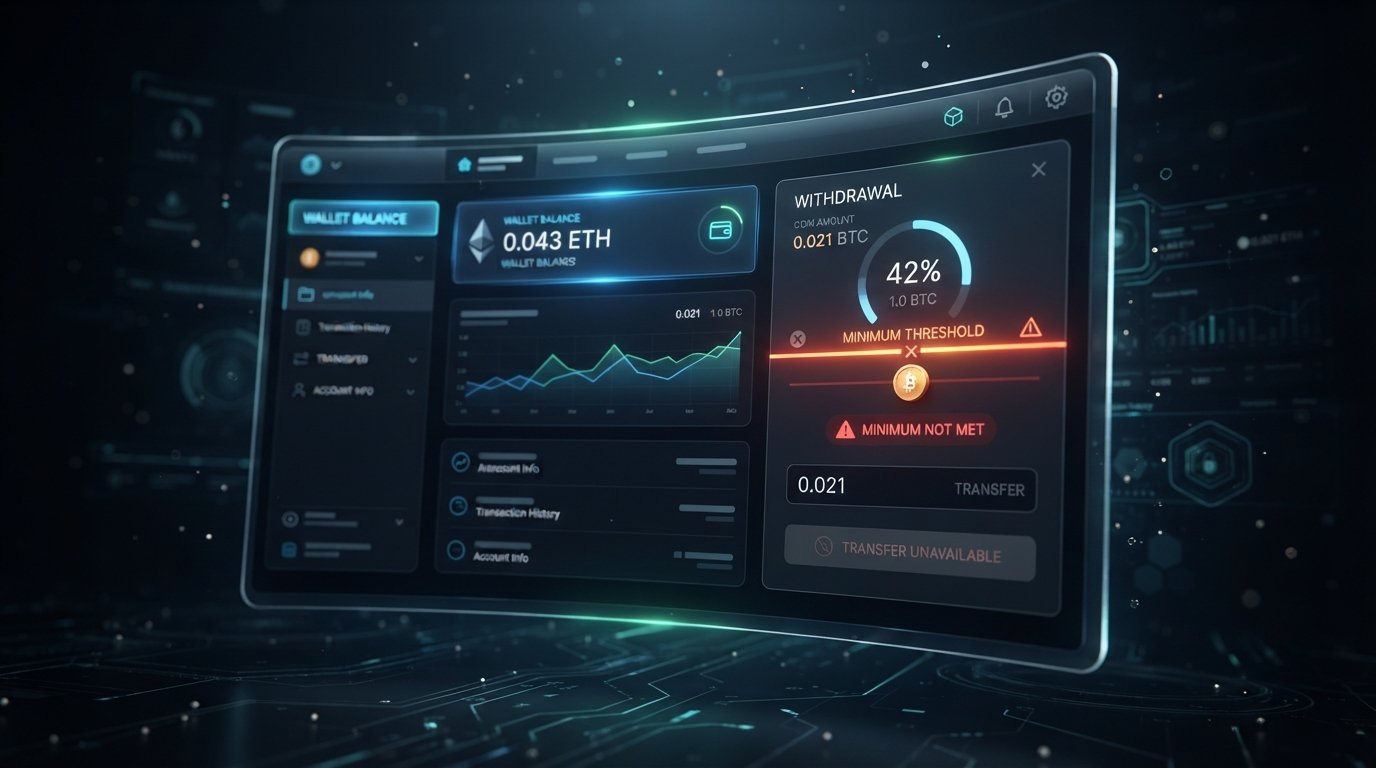
Layer 2 vs Ethereum Mainnet Fees: Why Transfer Costs Can Differ
Read a focused explanation designed around this specific transfer-fee question.
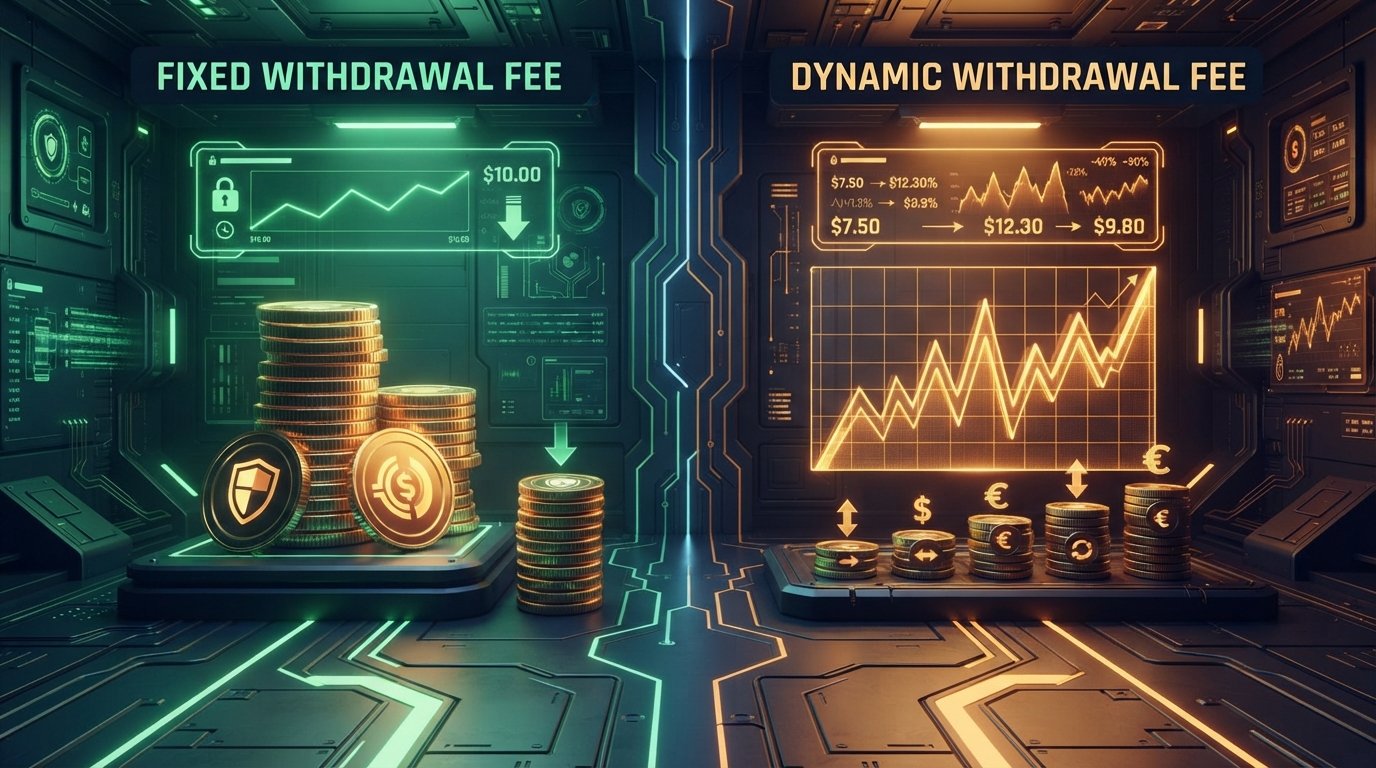
Why Do Crypto Transaction Fees Change During Network Congestion?
Read a focused explanation designed around this specific transfer-fee question.